
How to Turn Volunteering Into a Habit
Most people already believe volunteering is a good thing. They want to help. They want more connection, more purpose, and more meaningful ways to spend their time.
The problem usually isn’t motivation. The problem is consistency. Life is full of good intentions that never become routines. People think, “I should volunteer sometime,” the same way they think, “I should work out more” or “I should call old friends more often.” Without structure, those intentions drift to the background.
That’s one reason Stride to Serve holds events about every two weeks.
Not because volunteering should feel like an obligation, but because habits are easier to build when opportunities are regular, predictable, and easy to remember.
Why Volunteering Matters
Volunteering helps communities, but it also changes the people doing it. Research shows that volunteering improves mental well-being, reduces loneliness, strengthens social ties, and creates a greater sense of purpose. People often leave volunteer events feeling energized rather than drained.
Part of that comes from doing something tangible and valuable. But another part comes from connection.
When people work side-by-side toward a shared goal, conversations happen naturally. There’s less pressure than a traditional social event because attention is focused outward instead of inward. We call it no pressure connection. That combination of movement, service, and shared experience is one reason Stride to Serve exists.
Why Volunteering Is Surprisingly Hard to Maintain
Even people who genuinely care about service often struggle to volunteer consistently. There are a few reasons:
1. Finding Opportunities Is Hard
Unless you sign up for regular, repeat volunteering with one organization, volunteer opportunities are fragmented across dozens of websites, newsletters, social posts, and nonprofit pages. You have to actively search for them. And remember to do it.
That creates friction. And friction is the enemy of habits.
If every volunteer experience requires a new search, new sign-up process, new location, and new schedule, participation becomes occasional instead of routine.
It’s easier if there is one place where you can be sure to find great opportunities on a regular basis.
2. People Forget
This sounds simple, but it matters. Most people don’t wake up on a random Tuesday and suddenly remember to look for volunteer opportunities. Life fills the calendar first. Work, school, errands, family obligations, and entertainment all compete for attention.
Good intentions lose to default routines.
3. Too Much Commitment
Lots of organizations require long-term, repeat volunteering. That’s a lot of commitment, we know life happens, it’s hard to commit that much and that long. We offer regular volunteering but with no commitment. Create your own schedule, and if you can’t make it, no problem, come back when you can. But remember, consistency is key.
What Actually Creates a Habit
Habits don’t usually form because of motivation alone. They form because of repetition, cues, and reduced friction.
A few things matter especially when building a volunteering habit:
Predictability
When events happen regularly, people stop needing to constantly “decide” whether to participate. A repeating rhythm matters.
If you know there’s a Stride to Serve event roughly every two weeks, volunteering starts to become part of your normal life instead of an occasional special event.
Convenience
The easier something is to join, the more likely people are to follow through.
That means:
Regular reminders to keep it top of mind
Clear expectations
Welcoming environments
Events that don’t require specialized skills
Flexible participation
Small reductions in friction create large increases in consistency.
Positive Reinforcement
Habits stick when people associate them with positive experiences.
That doesn’t just mean “feeling good about helping.” It also means:
enjoying the people,
enjoying the activity,
feeling welcomed,
feeling useful,
and leaving with more energy than you arrived with.
That’s why Stride to Serve combines movement, service, and connection instead of treating volunteering like a transactional task. You feel great after our events.
Building a Community
Habits stick when the people around you reinforce them. Our events help you establish a community of like-minded people who support you with volunteering and make participation fun!
Identity
Eventually, the goal is not just “I volunteered.” The goal is: “I’m someone who shows up.”
That shift matters. Once volunteering becomes part of someone’s identity, consistency becomes much easier.
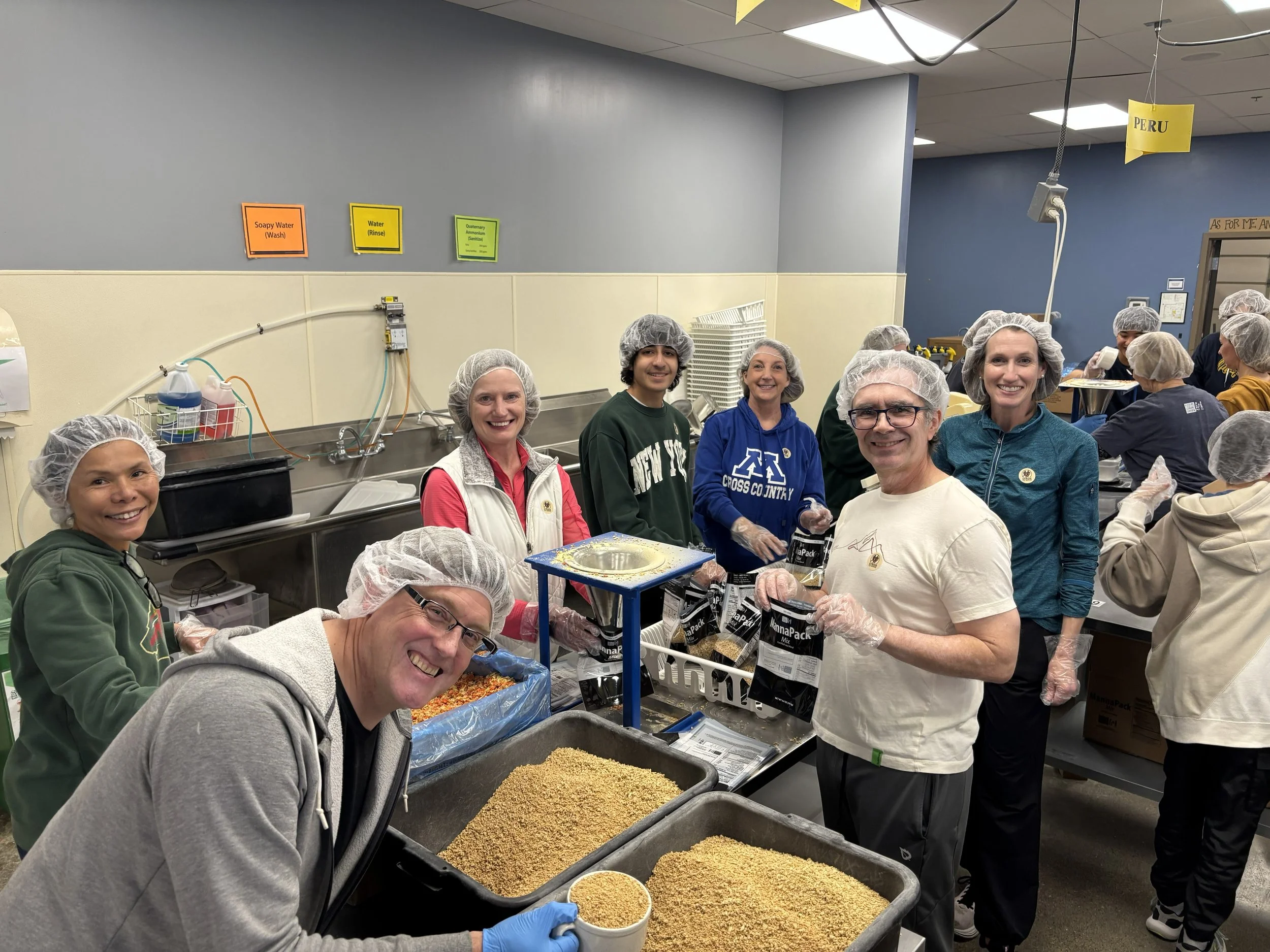
Building community and helping others.
Why Every-Two-Week Events Matter
There’s a reason gyms, running clubs, faith communities, and sports leagues rely on recurring schedules. Humans build routines around rhythm.
Too infrequent, and people forget. Too frequent, and participation can start to feel overwhelming.
Every couple of weeks creates a cadence people can realistically sustain while still keeping momentum alive. It keeps volunteering visible in people’s lives.
Over time, that consistency matters more than intensity.
A single huge volunteer day may feel inspiring. But a steady pattern of showing up throughout the year changes both communities and individuals much more deeply.
Start Small
One of the biggest mistakes people make is thinking habits need to begin at full intensity. They don’t. You do not need to volunteer every weekend to make service part of your life.
You just need a repeatable starting point.
One event every couple weeks, or even once a month.
One morning.
One project.
One decision to show up again.
That’s how habits form.
And often, that’s how stronger communities form too.