What Does It Mean When People Say Stride to Serve Is Welcoming?
One of the things we hear all the time about Stride to Serve is that it feels welcoming.
We're grateful when people say that, because it's something we work hard to create.
At first glance, that might not sound like a big deal, most organizations say anyone is welcome to join. But when people talk about Stride to Serve being welcoming – and we hear that a lot - they're talking about something more than just being allowed to participate.
To us, being welcoming isn't passive. It's active.
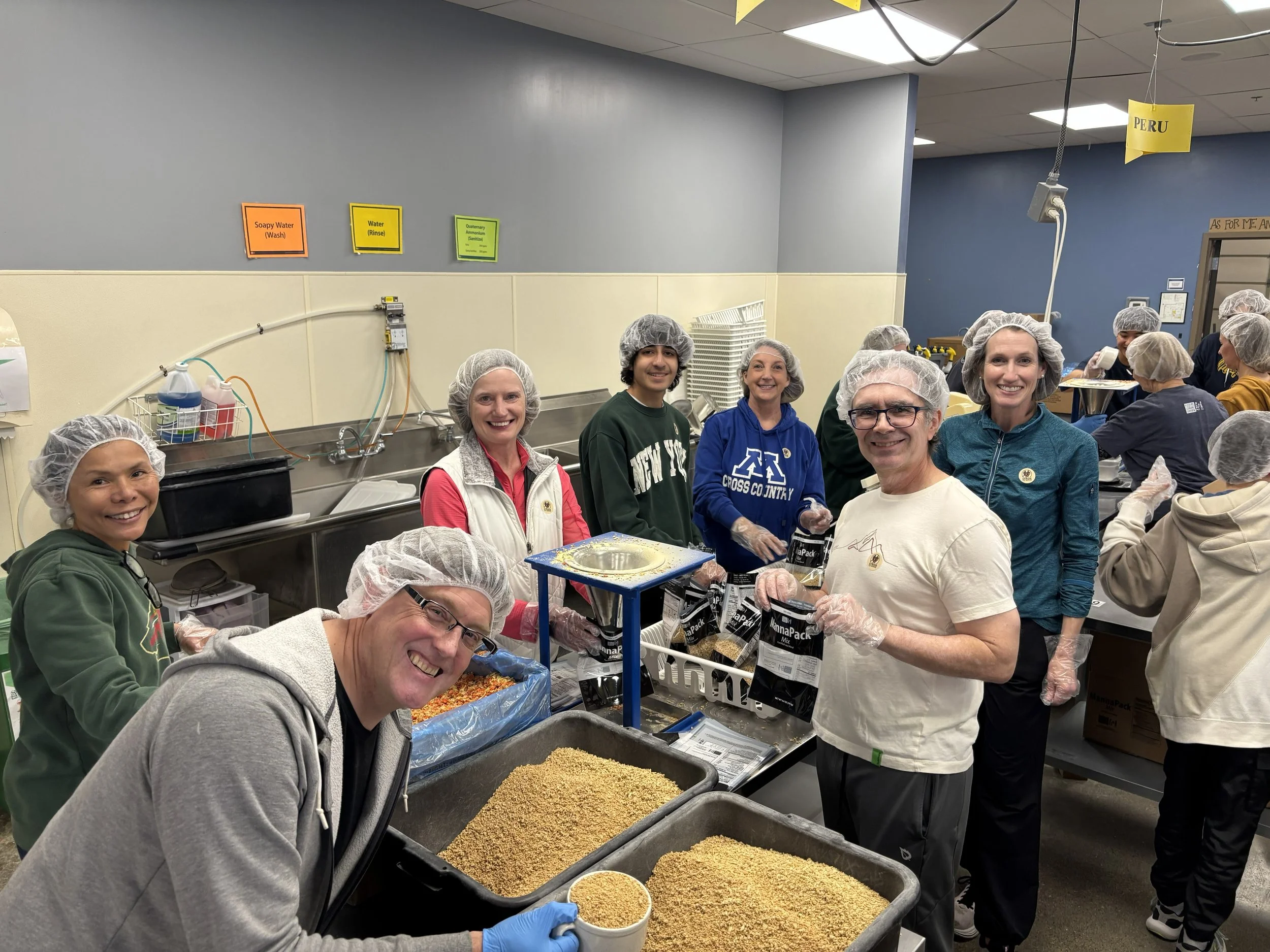
We genuinely enjoy meeting new people. Seeing a new face at an event isn't awkward or inconvenient—it's exciting. We don't see newcomers as outsiders who need to earn their place in the group. We see them as people we look forward to getting to know, people who have given us the opportunity of their time.
When someone joins us for the first time, we try not to leave them standing there wondering what to do or who to talk to. We introduce ourselves, start conversations, and help them feel comfortable. We want to learn about the people who show up. We want to hear their stories, find shared interests, and discover the things we have in common.
Most of all, we want people to feel like they belong.
Most adults know what it's like to walk into a group where they don't know anyone. Even if everyone is perfectly nice, it can still feel uncomfortable. Making new friends and building new connections gets harder as life gets busier. People have jobs, families, routines, and responsibilities competing for their time and attention.
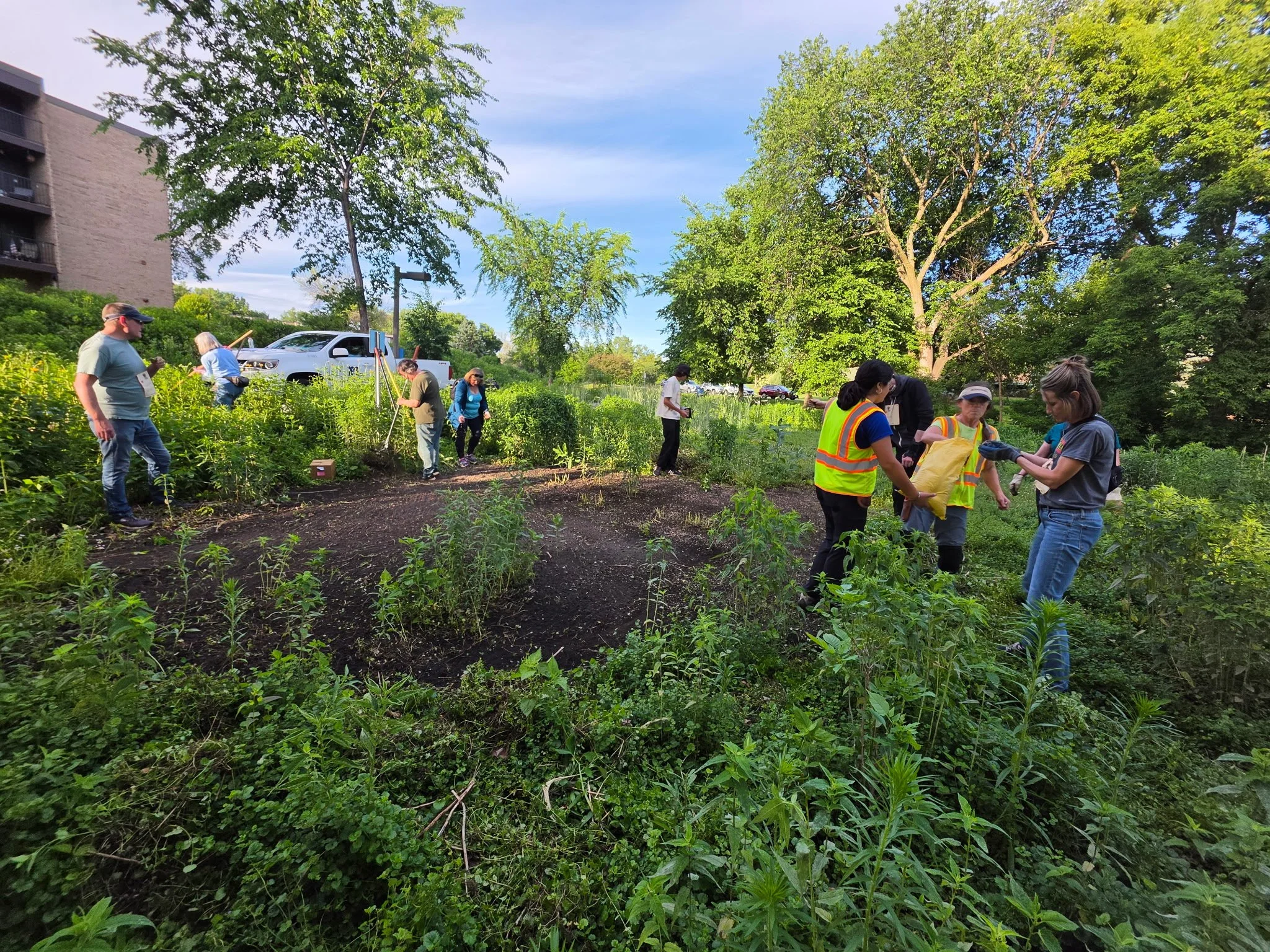
Rebuilding natural meadows in Minnetonka
That's one reason we try to create something more than a volunteer organization or a fitness group. We're trying to build a community.
It also helps that there's no pressure involved - no attendance requirements, no fundraising quotas, and no expectation you'll come to every event. Show up when you can. Come for the volunteer project, the walk, the run, the conversation—or all of the above.
And it turns out that connecting while walking, running, or working together is surprisingly natural. You're not sitting across a table trying to force small talk. Conversations just happen. Before long, you've spent an hour with someone and learned quite a bit about them without it feeling like work.
The absence of pressure makes genuine connection easier. Relationships grow over time through shared experiences rather than forced networking.
Every Stride to Serve event brings together movement, service, and social connection. Along the way, we get to know one another.
So when people say Stride to Serve is welcoming, that's what they're talking about. It's not just that anyone can join. Lots of groups can say that.
What we're aiming for is something a little different. We want people to leave feeling like they weren't just welcomed—they were genuinely included. Because serving the community matters. But building friendships and community along the way matters too.
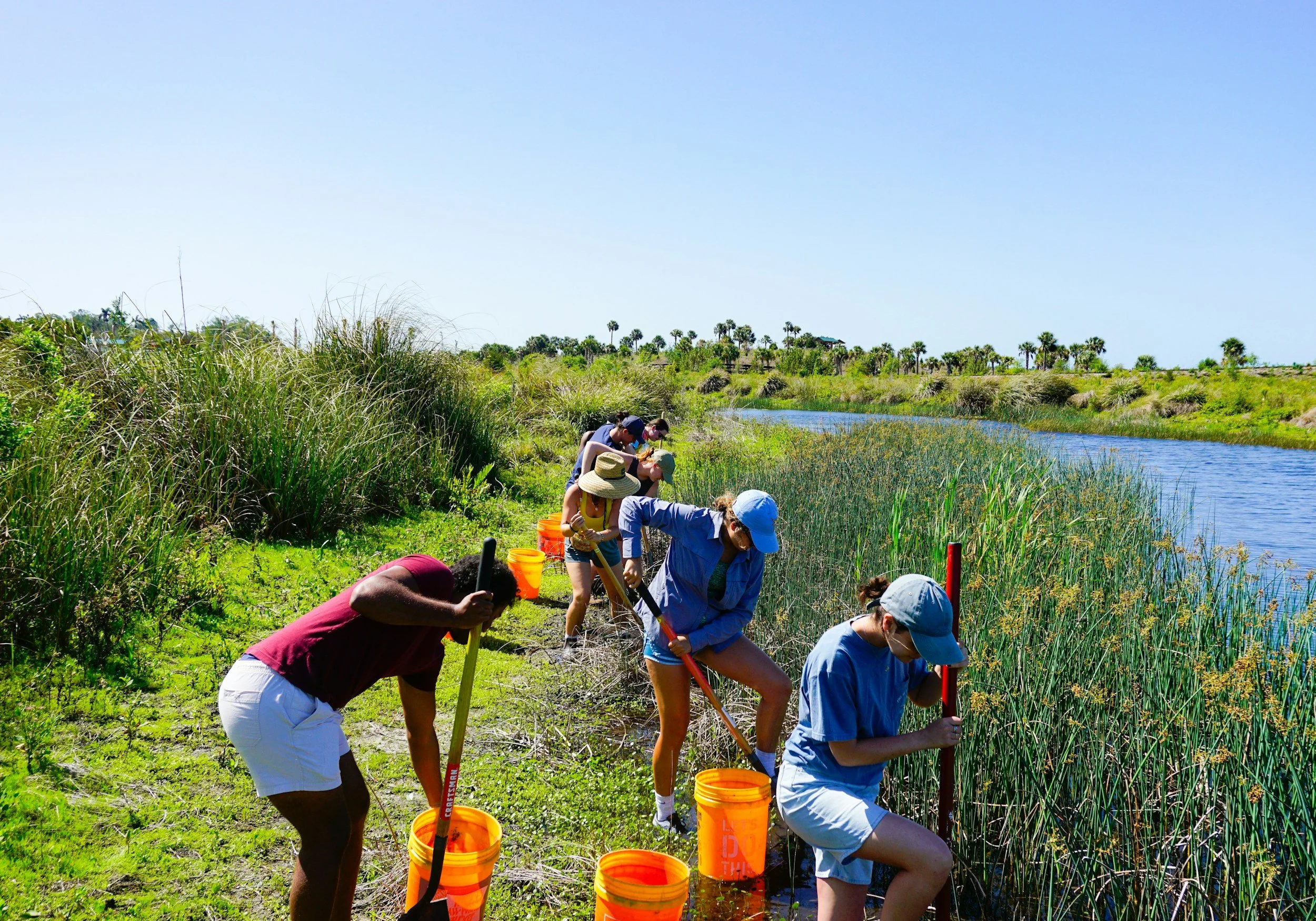
How to Turn Volunteering Into a Habit
Most people already believe volunteering is a good thing. They want to help. They want more connection, more purpose, and more meaningful ways to spend their time.
The problem usually isn’t motivation. The problem is consistency. Life is full of good intentions that never become routines. People think, “I should volunteer sometime,” the same way they think, “I should work out more” or “I should call old friends more often.” Without structure, those intentions drift to the background.
That’s one reason Stride to Serve holds events about every two weeks.
Not because volunteering should feel like an obligation, but because habits are easier to build when opportunities are regular, predictable, and easy to remember.
Why Volunteering Matters
Volunteering helps communities, but it also changes the people doing it. Research shows that volunteering improves mental well-being, reduces loneliness, strengthens social ties, and creates a greater sense of purpose. People often leave volunteer events feeling energized rather than drained.
Part of that comes from doing something tangible and valuable. But another part comes from connection.
When people work side-by-side toward a shared goal, conversations happen naturally. There’s less pressure than a traditional social event because attention is focused outward instead of inward. We call it no pressure connection. That combination of movement, service, and shared experience is one reason Stride to Serve exists.
Why Volunteering Is Surprisingly Hard to Maintain
Even people who genuinely care about service often struggle to volunteer consistently. There are a few reasons:
1. Finding Opportunities Is Hard
Unless you sign up for regular, repeat volunteering with one organization, volunteer opportunities are fragmented across dozens of websites, newsletters, social posts, and nonprofit pages. You have to actively search for them. And remember to do it.
That creates friction. And friction is the enemy of habits.
If every volunteer experience requires a new search, new sign-up process, new location, and new schedule, participation becomes occasional instead of routine.
It’s easier if there is one place where you can be sure to find great opportunities on a regular basis.
2. People Forget
This sounds simple, but it matters. Most people don’t wake up on a random Tuesday and suddenly remember to look for volunteer opportunities. Life fills the calendar first. Work, school, errands, family obligations, and entertainment all compete for attention.
Good intentions lose to default routines.
3. Too Much Commitment
Lots of organizations require long-term, repeat volunteering. That’s a lot of commitment, we know life happens, it’s hard to commit that much and that long. We offer regular volunteering but with no commitment. Create your own schedule, and if you can’t make it, no problem, come back when you can. But remember, consistency is key.
What Actually Creates a Habit
Habits don’t usually form because of motivation alone. They form because of repetition, cues, and reduced friction.
A few things matter especially when building a volunteering habit:
Predictability
When events happen regularly, people stop needing to constantly “decide” whether to participate. A repeating rhythm matters.
If you know there’s a Stride to Serve event roughly every two weeks, volunteering starts to become part of your normal life instead of an occasional special event.
Convenience
The easier something is to join, the more likely people are to follow through.
That means:
Regular reminders to keep it top of mind
Clear expectations
Welcoming environments
Events that don’t require specialized skills
Flexible participation
Small reductions in friction create large increases in consistency.
Positive Reinforcement
Habits stick when people associate them with positive experiences.
That doesn’t just mean “feeling good about helping.” It also means:
enjoying the people,
enjoying the activity,
feeling welcomed,
feeling useful,
and leaving with more energy than you arrived with.
That’s why Stride to Serve combines movement, service, and connection instead of treating volunteering like a transactional task. You feel great after our events.
Building a Community
Habits stick when the people around you reinforce them. Our events help you establish a community of like-minded people who support you with volunteering and make participation fun!
Identity
Eventually, the goal is not just “I volunteered.” The goal is: “I’m someone who shows up.”
That shift matters. Once volunteering becomes part of someone’s identity, consistency becomes much easier.
Building community and helping others.
Why Every-Two-Week Events Matter
There’s a reason gyms, running clubs, faith communities, and sports leagues rely on recurring schedules. Humans build routines around rhythm.
Too infrequent, and people forget. Too frequent, and participation can start to feel overwhelming.
Every couple of weeks creates a cadence people can realistically sustain while still keeping momentum alive. It keeps volunteering visible in people’s lives.
Over time, that consistency matters more than intensity.
A single huge volunteer day may feel inspiring. But a steady pattern of showing up throughout the year changes both communities and individuals much more deeply.
Start Small
One of the biggest mistakes people make is thinking habits need to begin at full intensity. They don’t. You do not need to volunteer every weekend to make service part of your life.
You just need a repeatable starting point.
One event every couple weeks, or even once a month.
One morning.
One project.
One decision to show up again.
That’s how habits form.
And often, that’s how stronger communities form too.
Six Reasons Spring Is the Perfect Time to Stride to Serve
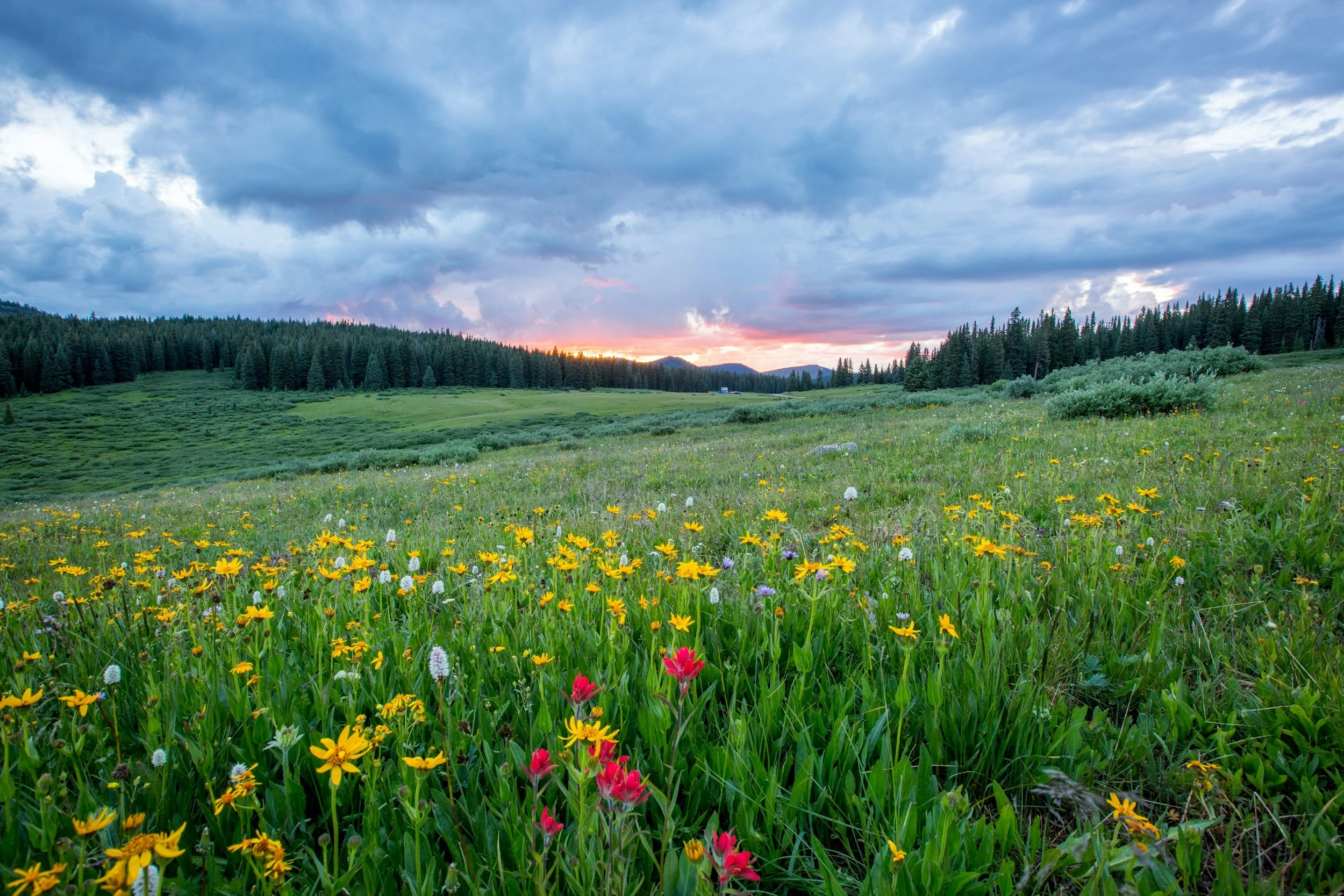
Spring in the Twin Cities makes you want to get outside. With warmth and green, spring has a way of making us want to move — and connect.
At Stride to Serve, we think that instinct is worth acting on. Here are five reasons why spring is the best time to join us.
1. Your body is ready to move again.
After a long Minnesota winter, getting outside isn’t just nice — it’s genuinely restorative. Research shows that outdoor physical activity in natural settings reduces cortisol (the stress hormone) more than indoor exercise. Being outside in spring, when everything is blooming, is good medicine. And you don’t have to be fast or go far to feel it. But it’s hard to break out of the winter hibernation and start new habits - we’re here to help!
2. The volunteer need picks up in spring.
Spring is actually one of the busiest seasons for community organizations. Parks need trail clean-ups after winter damage. Community gardens are prepping for the growing season. Food shelves see increased demand as school meal programs wind down. Your two hours of effort this weekend plugs into real, timely need — and the impact is visible almost immediately. By working with the City of Minnetonka, Carver County and more, we help make our outdoors more attractive for everyone.
3. The days are long — use them.
By late spring in the Twin Cities, we’re getting close to 15 hours of daylight. That’s a gift. There’s no scrambling to beat the sunset, no bundling up, no excuses. You can join a late-afternoon event and still have a full evening ahead of you. Long days have a way of making everything feel more possible — including showing up for your community. You can finish a cleanup of our trail at the Landscape Arb and still have time for dinner outside in the sun!
4. Kids are out of school — this is for them too.
Summer break means kids have time on their hands, and parents are looking for something meaningful to fill it with. Stride to Serve events are a great fit for both. Students get real volunteer experience that looks great on applications, builds genuine empathy, and gets them off their screens and moving. Parents get to model what it looks like to show up for a community — side by side with their kids, doing something that actually matters. It’s one of those rare activities the whole family can feel good about. We’re working with Minnetonka Schools to make volunteering and activity easy for families and students.
5. You’ll feel it when you leave.
This is the one we hear most from participants: they didn’t expect to feel that good afterward. The combination of movement, fresh air, community, and having made a tangible contribution to something bigger than yourself — it adds up. People leave our events with more energy than they arrived with. That’s not a coincidence. It’s the whole point.
6. Side-by-side is the easiest way to connect.
Connecting and making friends can be hard. Walking and working side-by-side with someone — moving together toward a shared purpose — is one of the most natural ways humans bond. You're not networking. You're not making awkward small talk at a party. You're doing something together, which is where real connection happens. It’s what we call no-pressure connection. Spring events are a great entry point. And you’ll have a whole summer and fall of events to connect again!
Spring in the great north is short and precious. Don’t let it slip by without doing something that matters — for your body, your community, and yourself.
Come stride with us. Check out our upcoming events and join us this spring.
Sign up for emails about our events and us!
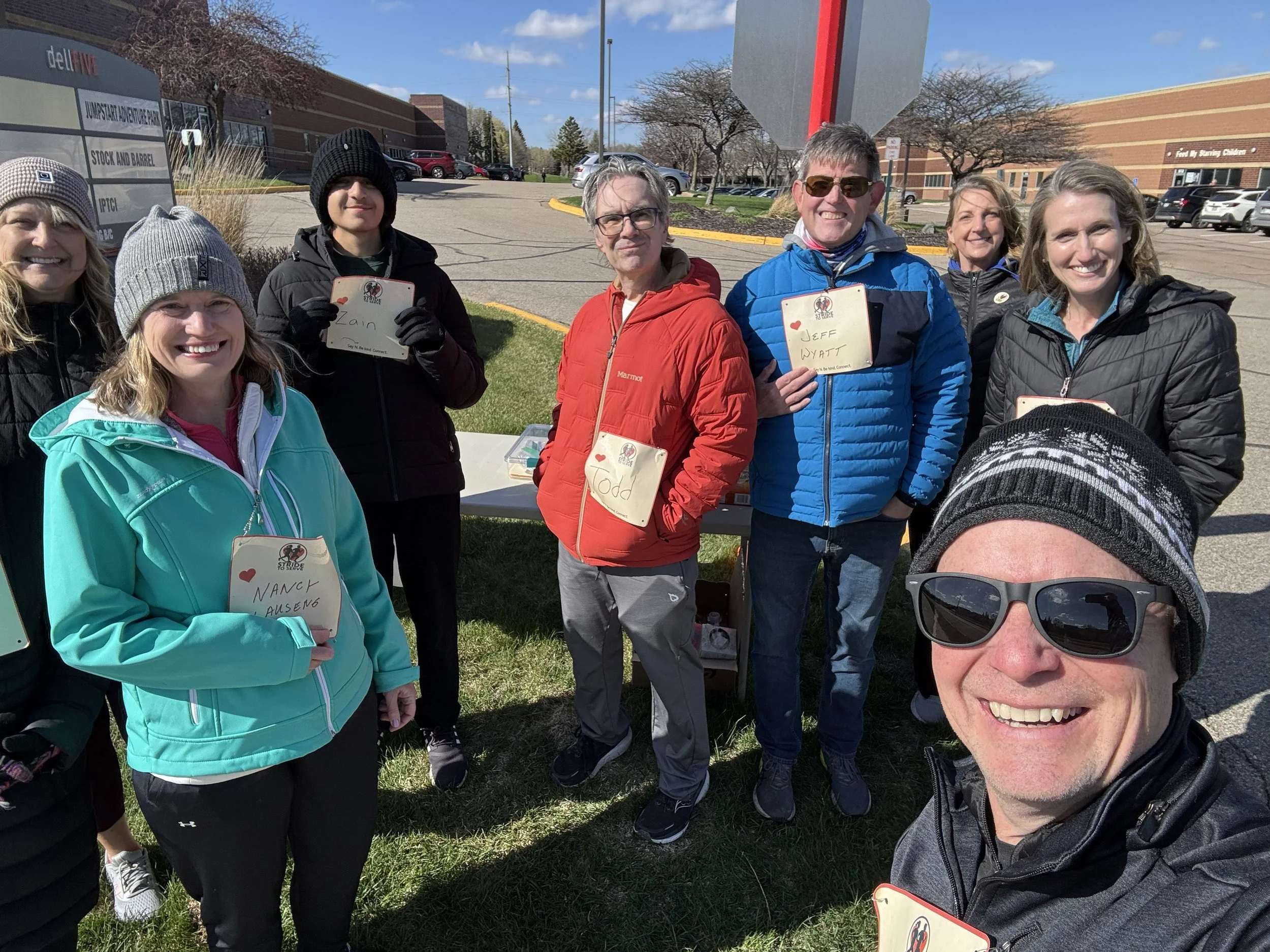
Spring hadn’t quite sprung at our April 18 event!
Why Volunteering Feels So Good
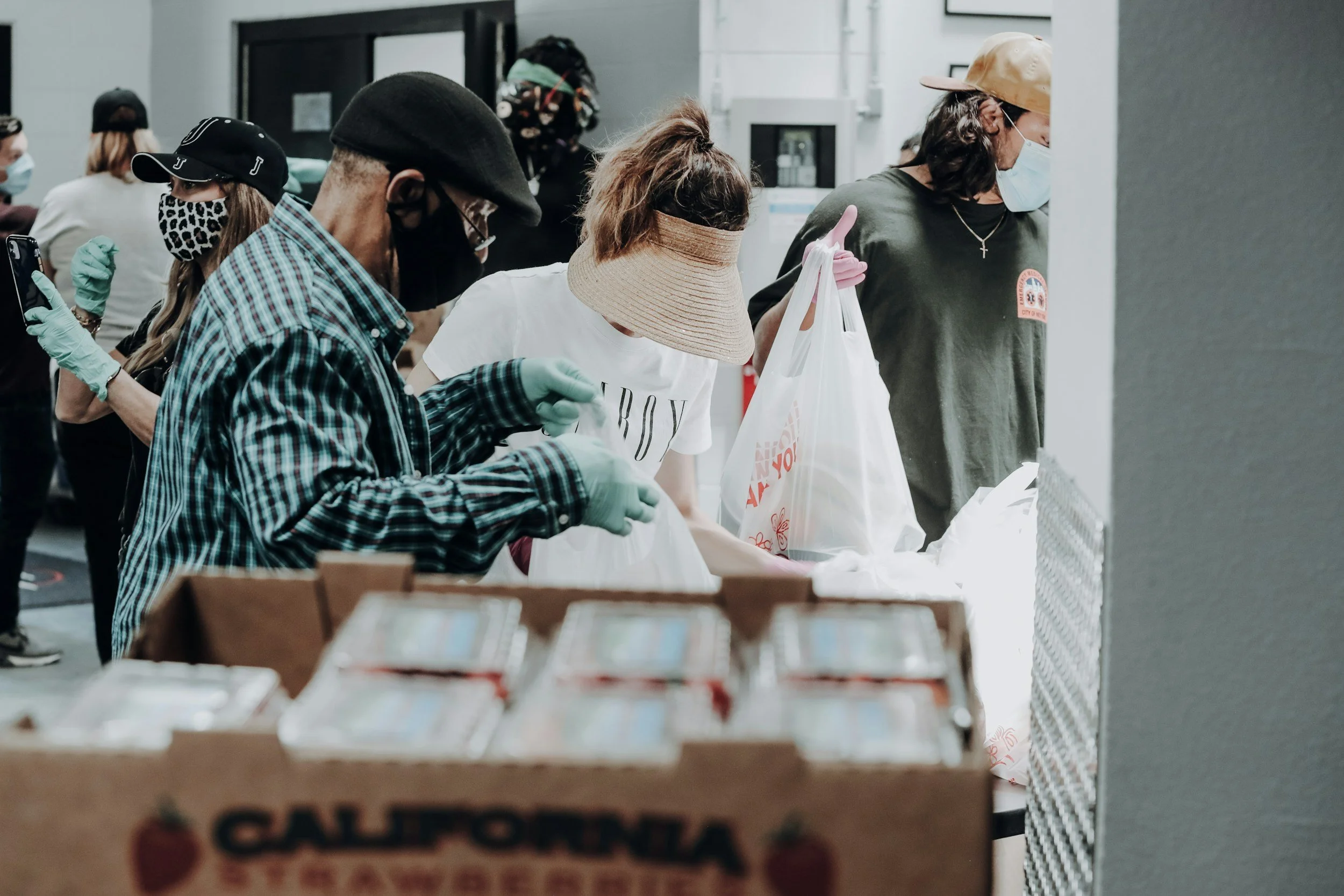
Have you ever finished a volunteer project and thought, “Wow — I feel great!” You’re not imagining it. There’s real science on why lending a hand feels so great for your body, mind, and spirit. And when you combine volunteering with movement, the benefits multiply.
Let’s break down why volunteering feels so good — and why the active part of Stride to Serve makes it even better.
1. Volunteering Lights You Up — Literally and Emotionally
Studies show that helping others activates the brain’s reward pathways. When you volunteer, your body releases feel-good chemicals like dopamine and endorphins, which boost mood and reduce stress. That’s part of the reason people talk about a “helper’s high.”
Researchers found that volunteers experience the same sort of emotional boost as people who exercise or take antidepressants — without the prescription.
2. The Health Benefits Are Real
Volunteering isn’t just good for your brain — it’s good for your body too:
Greater happiness: Research shows that people who volunteer are happier, and that volunteering makes people happier than they were before.
Lower stress levels: Helping others is linked to lower blood pressure and reduced stress hormones.
Longer life: Multiple studies suggest that people who volunteer tend to live longer.
Boosted heart health: Acts of service are associated with better cardiovascular outcomes.
It’s called the Generativity Drive — the desire to contribute to the well-being of other people, including future generations. Erik Erikson, a developmental psychologist, described generativity as a core human motivation that brings deep psychological satisfaction. In other words, we’re wired to feel good when we help, and we do.
3. Move Your Body, Boost Your Mood — Twice the Benefits
If volunteering is good, then exercise + volunteering is a game changer.
Movement on its own has huge benefits:
Releases endorphins (natural mood lifters)
Improves sleep and energy
Reduces anxiety and depression
Increases brain health
When you combine movement with meaningful service, you get:
More endorphins (from exercise)
More oxytocin (from social connection)
More dopamine (from helping others)
In short — your mind and body get double the reward.
Which might be why research shows that volunteering in sports activities provides more benefit for participants than other kinds of volunteering.
That’s the philosophy behind Stride to Serve:
Make service social. Make service active. Make service good for everyone — including you.
Things to Keep In Mind
A few points to consider:
Formal group volunteering boosts well-being much more than informal volunteering.
Monthly volunteering correlates with life satisfaction gains comparable to employment transitions.
Higher volunteering frequency results in greater well-being; weekly volunteering triples the benefits of occasional volunteering.
At Stride to Serve, we build our program to give our participants the most benefit possible. We make finding volunteer opportunities easy and organize our events to provide the best experience.
Final Thoughts
Volunteering feels so good because it feeds essential parts of what makes us human — connection, purpose, and impact. We’re wired to feel better when we do good. When you add movement to the mix, you’re not just making the world better — you’re making you better too.
Ready to feel great and do good? Let’s do it — together.
Announcing Our First Service Partner: Carver County Parks Adopt-A-Trail!
We’re thrilled to share a major milestone for Stride to Serve — our first official recurring service partnership with Carver County Parks’ Adopt-A-Trail program! This collaboration marks a meaningful step toward caring for the natural places we love and serving our local community in a lasting, tangible way.
Carver County Parks plays a vital role in preserving outdoor spaces and promoting recreation across the region. We have committed to caring for a specific trail segment — monitoring conditions, removing litter, and helping ensure safe, welcoming pathways for all who visit.
Our Trail: Minnesota Landscape Arboretum
We’re especially proud to adopt a trail segment within the Minnesota Landscape Arboretum. This special partnership gives Stride to Serve volunteers the chance to care for a trail that not only provides recreational opportunities — from hiking to environmental appreciation — but also supports the Arboretum’s mission of conservation and learning. And we can take advantage of the beautiful Arboretum spaces for our social events and walks/run!
What’s Next
We’ll be hosting regular community volunteer days throughout the year where members can join in trail clean-ups, have a beautiful walk or run on our trail and enjoy fun and games in the beauty of the Arboretum. Stay tuned for updates on dates and how to get involved.
We’re grateful to Carver County Parks for welcoming us into the Adopt-A-Trail family — and we can’t wait to make a difference on the trail! Together, we’ll help keep this corner of the Arboretum inviting, healthy, and vibrant for all who explore it.
Welcome to Stride to Serve
It all begins with an idea.
Introducing Stride to Serve: Moving With Purpose, Serving With Heart
In every community, there are people who want to get active, people who want to give back, and people who want to feel more connected—but rarely do all three happen in the same space. Stride to Serve was created to change that. Stride to Serve is a new nonprofit built around a simple idea:
When we move our bodies and serve our neighbors together, good things happen.
We become healthier, more connected, and more aware of the needs around us. Communities get stronger. And doing good becomes something we look forward to— not just one more item on a to-do list.
What Is Stride to Serve?
Stride to Serve hosts community events that combine movement (walking, running, or biking) with local service projects. Each event includes:
* A meet-up and warm welcome;
* A walk or run (up to 45 minutes) at your own pace;
* A short, hands-on volunteer activity with a local organization;
* Time to connect and celebrate with others.
The structure is intentional: energize, serve, and connect throughout. The goal is not performance or competition—it’s participation, community, and shared purpose.
We partner with local organizations to support real needs in the community—everything from assembling essential kits, to helping neighborhood groups, to supporting housing, hunger, and youth programs.
Why We Created Stride to Serve
Most people want to do more good in the world and want to feel healthier and more connected. But modern life makes it difficult:
* Volunteering often feels like a big time commitment, and good events are hard to find.
* Fitness activities can feel isolating or intimidating.
* Social connection is harder than ever, despite being deeply needed.
Stride to Serve was created to lower those barriers by offering events that are:
Short & approachable
You don’t have to commit to regular volunteer shifts to make a difference. Our events are designed to fit into real life.
Welcoming to all ages and abilities
Whether you walk slowly, run hard, or bring a stroller, you belong.
Social, meaningful, and fun
You don’t just show up—you meet people, accomplish something together, and leave feeling better than when you arrived.
Locally impactful
Every event supports organizations serving the community right now. You see the good you’re contributing to.
The Benefits of Participating
Stride to Serve isn’t just an event—it's an experience. People join for different reasons, but nearly everyone walks away with benefits that last well beyond the day.
1. Better Physical Health
Our events offer a no-pressure way to be active fitness—with others cheering you on.
2. Stronger Mental and Emotional Well-Being
Serving others is one of the most reliable ways to feel happier and more grounded. Combined with movement and community, it becomes even more powerful.
3. Genuine Social Connection
You’re not networking. You’re not making small talk.
You’re doing something meaningful, side by side, which naturally creates connection. Many participants say it’s the easiest way they’ve found to meet new people.
4. A Sense of Purpose and Contribution
You leave not just with a workout completed, but with a tangible impact made. You know your effort matters—and that feels good.
Our Hope for the Community
We believe this model — movement + service + connection — can become a new way people gather.
Not an obligation.
Not a competition.
Not a meeting.
But an experience of joy, energy, and shared purpose.
Our hope is simple:
That people feel healthier, more connected, and more hopeful because they participate.
And that communities become stronger one stride—and one act of service—at a time.